

|
HC Marketers
Getting your Trinity Audio player ready...
|
The healthcare cybersecurity market isn’t just big—it’s exploding. Valued at $17.28 billion in 2023, the market is projected to reach $56.34 billion by 2030, growing at a CAGR of 18.5%. For cybersecurity vendors, this represents a massive opportunity. But here’s the catch: selling to healthcare isn’t like selling to any other industry.
Healthcare organizations face unique challenges that make them prime targets for cybercriminals. The average cost of a data breach in healthcare reached $9.8 million in 2024, up from $6.5 million in 2019, and is projected to surpass $12 million by the end of 2026. With stakes this high, healthcare leaders are desperate for solutions—but they’re also skeptical, overwhelmed, and working with limited budgets.
If you’re marketing cybersecurity solutions to the healthcare sector, you need to understand what makes this market tick and how to position your offering effectively.
Why Healthcare is Under Attack (And Why It Matters for Your Marketing)

Healthcare has been the #1 target for cyberattacks for over a decade, and 2026 won’t be different. In 2024, 67% of healthcare organizations were hit by ransomware, nearly double the 34% rate in 2021. The reasons are simple: valuable data, outdated systems, and life-or-death consequences.
The Perfect Storm:
Valuable Data: Patient records sell for 10-50x more than credit card numbers on the dark web. Protected Health Information (PHI) includes everything criminals need for identity theft and insurance fraud.
Legacy Infrastructure: Many hospitals still run Windows XP systems and outdated medical devices that can’t be patched. Legacy technology ranks as a top cybersecurity concern for 39% of healthcare cybersecurity professionals.
Life-or-Death Impact: Unlike retail or finance, healthcare cyberattacks directly impact patient care. By 2026, 60% of hospitals will experience disrupted care delivery due to ransomware attacks.
Limited Resources: 56% of healthcare organizations devote less than 10% of their IT budgets to cybersecurity measures. They’re understaffed, underfunded, and overwhelmed.
For cybersecurity vendors, this creates both opportunity and responsibility. Your healthcare marketing must acknowledge these pressures while demonstrating clear ROI.
The Healthcare Buyer Journey: It’s Different
Traditional B2B cybersecurity marketing doesn’t work in healthcare. Here’s why:
Multiple Stakeholders, Slow Decisions
A typical healthcare cybersecurity purchase involves:
- CISOs/IT Directors (care about technical specs and integration)
- CFOs (care about cost and ROI)
- Chief Medical Officers (care about clinical impact)
- Compliance Officers (care about HIPAA and regulations)
- Board members (care about reputation and liability)
Your healthcare marketing strategy must address all these perspectives simultaneously.
Regulatory Complexity
Healthcare isn’t just about preventing breaches—it’s about compliance. Strict regulations have forced healthcare organizations to deploy sophisticated cybersecurity technologies to be in compliance, to protect patient privacy, and avoid hefty fines.
Your marketing must demonstrate:
- HIPAA compliance
- HITECH Act alignment
- State-specific healthcare privacy laws
- Industry certifications (HITRUST, SOC 2)
Risk-Averse Culture
Healthcare organizations move slowly. A single breach can destroy reputation, trigger lawsuits, and literally cost lives. Your marketing needs to build trust through:
- Case studies from similar healthcare organizations
- Third-party validation and certifications
- Transparent security audits
- References from known healthcare institutions
5 Marketing Strategies That Actually Work

1. Lead with Patient Impact, Not Technology
Wrong approach: “Our AI-powered endpoint detection uses machine learning algorithms to identify zero-day exploits.”
Right approach: “Protect patient care continuity. Our solution prevented 47 healthcare organizations from experiencing the average 19-day ransomware downtime that disrupts critical treatments.”
Healthcare leaders care about patient outcomes first. Frame your cybersecurity solution around clinical impact and operational continuity.
2. Create Role-Specific Content
Don’t make hospital administrators dig through technical whitepapers. Segment your content:
For CISOs: Technical architecture, integration guides, threat intelligence reports For CFOs: TCO calculators, ROI case studies, cost-of-breach comparisons
For CMOs: Patient care impact stories, clinical workflow integration For Compliance: HIPAA compliance guides, audit preparation checklists
Your healthcare marketing should provide each stakeholder exactly what they need to champion your solution internally.
3. Leverage Fear (Responsibly) with Real Data
Healthcare leaders are bombarded with fear-based marketing. Stand out by being educational, not alarmist:
✅ “67% of healthcare organizations were hit by ransomware in 2024. Here’s how the 33% protected themselves.”
✅ “The average breach costs $9.8 million. Our customers reduced their risk exposure by 73%.”
❌ “Your hospital WILL be attacked tomorrow. Buy now or patients will die.”
Use statistics to create urgency, but always follow with a clear solution path.
4. Build a Healthcare-Specific Partner Ecosystem
The increasing number of partnerships and collaborations between healthcare organizations and cybersecurity firms are driving the market.
Position yourself as part of the healthcare technology ecosystem:
- Partner with EHR vendors (Epic, Cerner, Allscripts)
- Integrate with medical device manufacturers
- Join healthcare industry associations (HIMSS, CHIME)
- Co-market with healthcare consultancies
Your healthcare marketing gains credibility through established healthcare relationships.
5. Demonstrate Compliance Expertise
Don’t just say you’re HIPAA compliant—prove it:
- Publish detailed compliance documentation
- Offer free HIPAA security assessments
- Create compliance checklists and templates
- Host webinars with healthcare attorneys
- Showcase your BAA (Business Associate Agreement) process
Healthcare organizations won’t risk working with vendors who don’t understand regulatory requirements.
The Cloud vs. On-Premise Debate
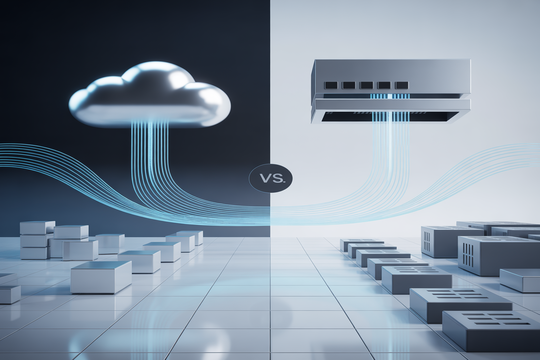
On-premise held the major healthcare cybersecurity market share in 2024 owing to strict regulations such as HIPAA requiring healthcare companies to protect patient data. However, cloud security accounted for the largest healthcare cybersecurity market share by 2024, with the cloud segment witnessing the fastest growth.
Your marketing should address both:
For on-premise solutions, emphasize:
- Complete data control
- No third-party access concerns
- Easier compliance audits
- Integration with legacy systems
For cloud solutions, emphasize:
- Lower upfront costs
- Automatic updates and patches
- Scalability for growing organizations
- Shared responsibility model with clear compliance
Many healthcare organizations are adopting hybrid approaches. Position your solution as flexible enough to support their strategy.
Content Marketing That Converts
Traditional cybersecurity content doesn’t resonate with healthcare audiences. Here’s what works:
Case Studies with Real Numbers
“How Regional Hospital System Prevented $4.2M in Breach Costs” Include: Organization size, specific challenges, implementation timeline, measurable results
Breach Incident Analysis
“What We Learned from the [Major Healthcare Breach]: 5 Prevention Strategies” Break down real incidents (anonymized if needed) with actionable takeaways
Compliance Guides
“2026 HIPAA Security Rule Compliance Checklist” Provide genuine value before asking for anything in return
ROI Calculators
“Calculate Your Healthcare Organization’s Breach Risk Exposure” Interactive tools that quantify the problem and position your solution
Video Content
Healthcare leaders are busy. Create 2-3 minute videos showing:
- Quick product demos focused on healthcare use cases
- Customer testimonials from healthcare CISOs
- “Day in the life” showing workflow integration
Healthcare Marketing Channels That Work
Industry Events (Still King)
Healthcare organizations increasingly prioritize cybersecurity in their IT investments. Meet them where they gather:
- HIMSS Global Conference
- CHIME Fall Forum
- RSAC Healthcare Track
- Regional healthcare IT summits
LinkedIn (But Make It Relevant)
Healthcare IT leaders are active on LinkedIn, but they ignore generic cybersecurity content. Instead:
- Share healthcare-specific threat intelligence
- Comment on healthcare data breach news
- Join healthcare CIO groups
- Publish articles on healthcare IT challenges
Industry Publications
Place thought leadership in:
- Healthcare IT News
- HealthcareInfoSecurity
- Modern Healthcare
- Becker’s Hospital Review
Webinars with Healthcare Partners
Co-host educational webinars with:
- Healthcare law firms
- Healthcare consultancies
- EHR vendors
- Healthcare industry associations
Don’t pitch—educate. Build authority first, sales follow.
The Role of Healthcare Marketing Agencies

If you’re struggling to break into healthcare, consider partnering with specialized healthcare marketing agencies that understand the sector’s unique dynamics. These agencies know:
- Healthcare buyer personas and decision-making processes
- Regulatory compliance requirements
- Industry terminology and pain points
- Effective healthcare marketing channels
- How to navigate long sales cycles
A specialized healthcare marketing agency can accelerate your market entry and help you avoid costly positioning mistakes.
Measuring Success in Healthcare Cybersecurity Marketing
Traditional B2B metrics don’t tell the full story in healthcare. Track:
Lead Quality over Quantity:
- 10 qualified hospital CISOs > 1,000 random healthcare IT contacts
Engagement Depth:
- Content downloads from multiple stakeholders at same organization
- Repeat website visits from target accounts
- Demo requests (not just whitepaper downloads)
Sales Cycle Velocity:
- Time from first touch to qualified opportunity
- Progression through buying committee stakeholders
- Deal size trends
Customer Success Metrics:
- Customer retention rates
- Expansion revenue
- Customer advocacy (references, case studies)
Healthcare sales cycles are long (9-18 months), so focus on relationship-building metrics early in the funnel.
The Future: Where Healthcare Cybersecurity Marketing is Heading

The increasing adoption of artificial intelligence (AI) and machine learning (ML) technologies in cybersecurity solutions is changing the conversation.
Emerging marketing themes for 2026-2027:
- AI-powered threat detection (but avoid hype—show real results)
- Zero trust architecture for healthcare environments
- Medical IoT security as connected devices proliferate
- Telehealth security as remote care becomes permanent
- Supply chain security after high-profile vendor breaches
Position your solution not just for today’s threats, but tomorrow’s challenges.
Final Thoughts
The $17.3 billion healthcare cybersecurity market is growing rapidly, but it’s not easy money. Healthcare organizations are desperate for protection but cautious about vendors who don’t understand their world.
Successful healthcare marketing requires:
- Deep understanding of clinical workflows
- Fluency in healthcare regulations
- Empathy for resource constraints
- Patience with long sales cycles
- Commitment to patient safety outcomes
If you can demonstrate that you truly understand healthcare’s unique challenges—and that your solution fits into their complex environment—you’ll stand out in a crowded market.
The opportunity is massive. The need is urgent. The time to act is now.
FAQs
1. Why is the healthcare cybersecurity market growing so fast?
The market is booming due to increased cyberattacks (67% of healthcare orgs hit by ransomware in 2024), average breach costs of $9.8 million, and strict HIPAA regulations. The adoption of telehealth, connected medical devices, and cloud EHR systems has expanded the attack surface, making cybersecurity essential.
2. What’s the biggest challenge in marketing cybersecurity to healthcare organizations?
Addressing multiple stakeholders with different priorities: CISOs want technical depth, CFOs demand ROI, CMOs focus on patient care, and compliance officers need regulatory assurance. Healthcare sales cycles are long (9-18 months) with limited budgets and risk-averse decision-making.
3. Should I focus on cloud-based or on-premise healthcare cybersecurity solutions?
Both have demand. On-premise appeals to organizations prioritizing data control, while cloud is growing faster due to lower costs and scalability. The smartest approach is offering hybrid flexibility that adapts to each organization’s infrastructure and compliance needs.
4. How long does a typical healthcare cybersecurity sales cycle take?
Healthcare cybersecurity sales cycles typically take 9-18 months for mid-to-large systems due to multiple approval layers, budget constraints, and compliance reviews. Smaller clinics move faster, but enterprise health systems require sustained relationship-building and patience.
5. What content types work best for healthcare cybersecurity marketing?
Case studies with ROI metrics, breach incident analyses, HIPAA compliance guides, interactive ROI calculators, and video testimonials from healthcare CISOs. Focus on patient care outcomes and operational continuity rather than overly technical whitepapers or fear-based messaging.
